







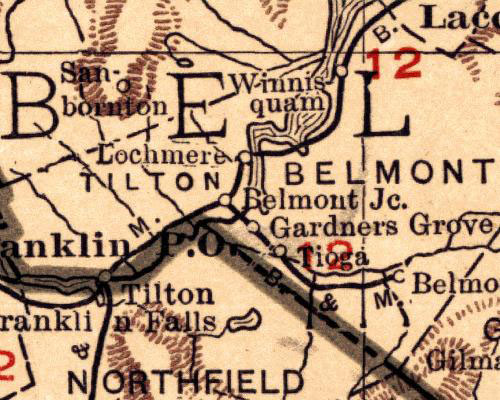
Tilton & Belmont Branch
The four-mile-long Tilton & Belmont branch of the Boston & Maine railroad opened on August 17, 1889 and closed in 1929. In September, 1934, the rails, bridges, and trestles were removed shortly after the Interstate Commerce Commission officially authorized the line’s dismantling. The line had only four stops. It began at Belmont Junction in East Tilton, stopped at Gardner’s Grove, then Tioga, and ended in Belmont at the Gilmanton Mills (later the Belmont Hosiery Company). Below is an excerpt from a 1921 Rand McNally map of New Hampshire showing the four stops.
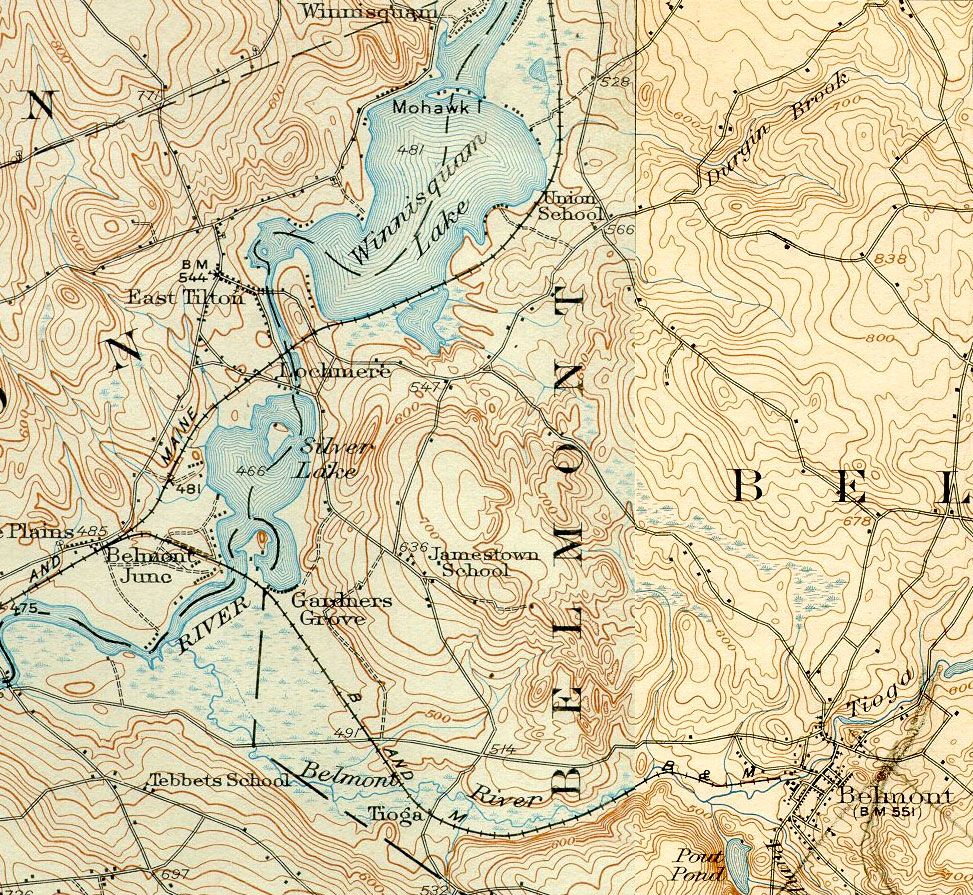
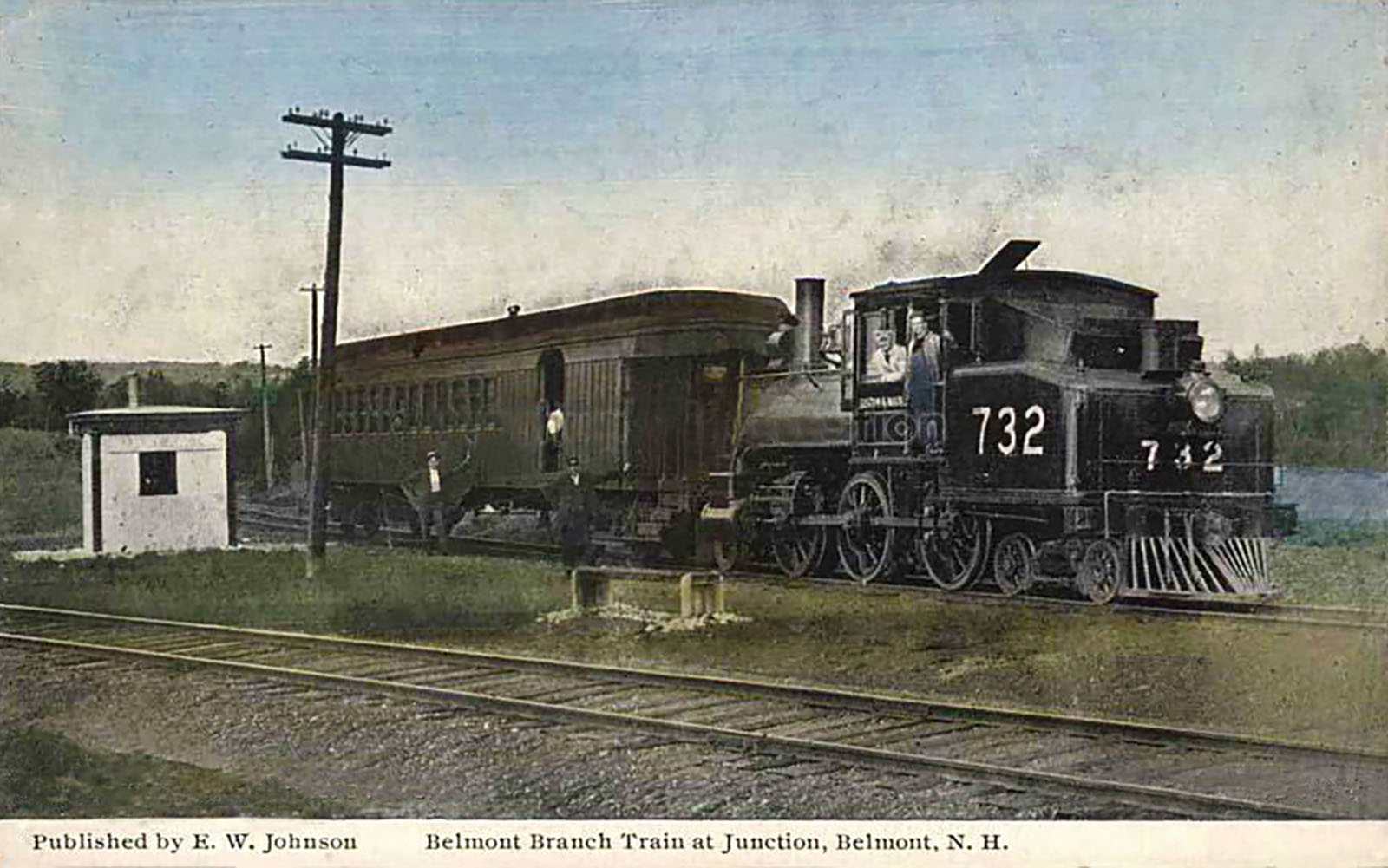
The Tilton & Belmont branch crossed the Winnipesaukee River just below Silver Lake on its way from East Tilton to Belmont. Below are excerpts from the 1927 USGS (United States Geological Survey) Penacook and Gilmanton NH Quadrangles that shows Belmont Junction, where the line branched off from the B&M main line that continued north to the Lochmere stop (before January 18, 1906, this was called the East Tilton stop) and beyond; and south to the Tilton stop and beyond.
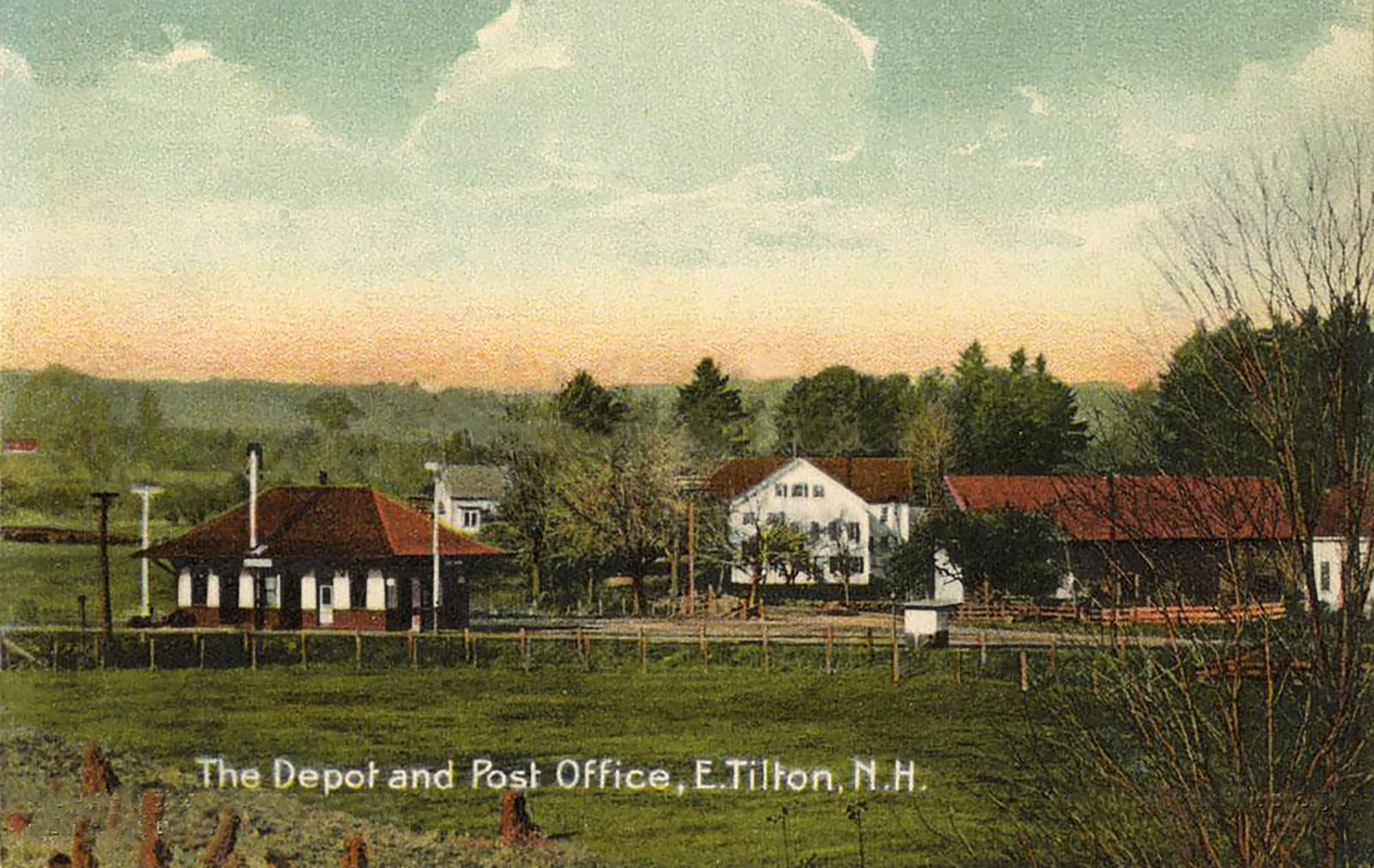
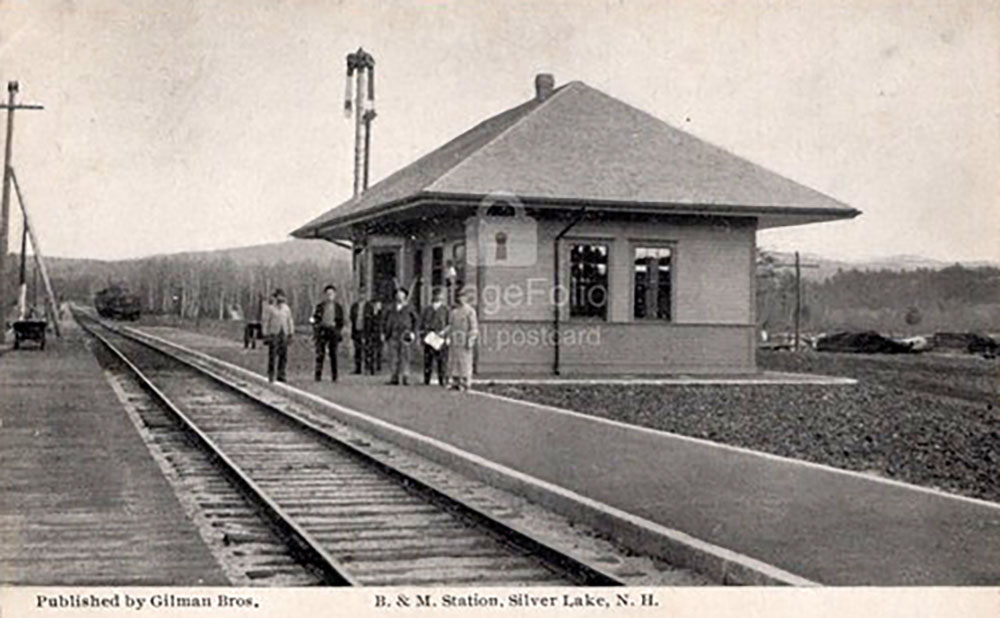
The East Tilton depot (Lochmere, prior to 1906).
Lochmere Station.
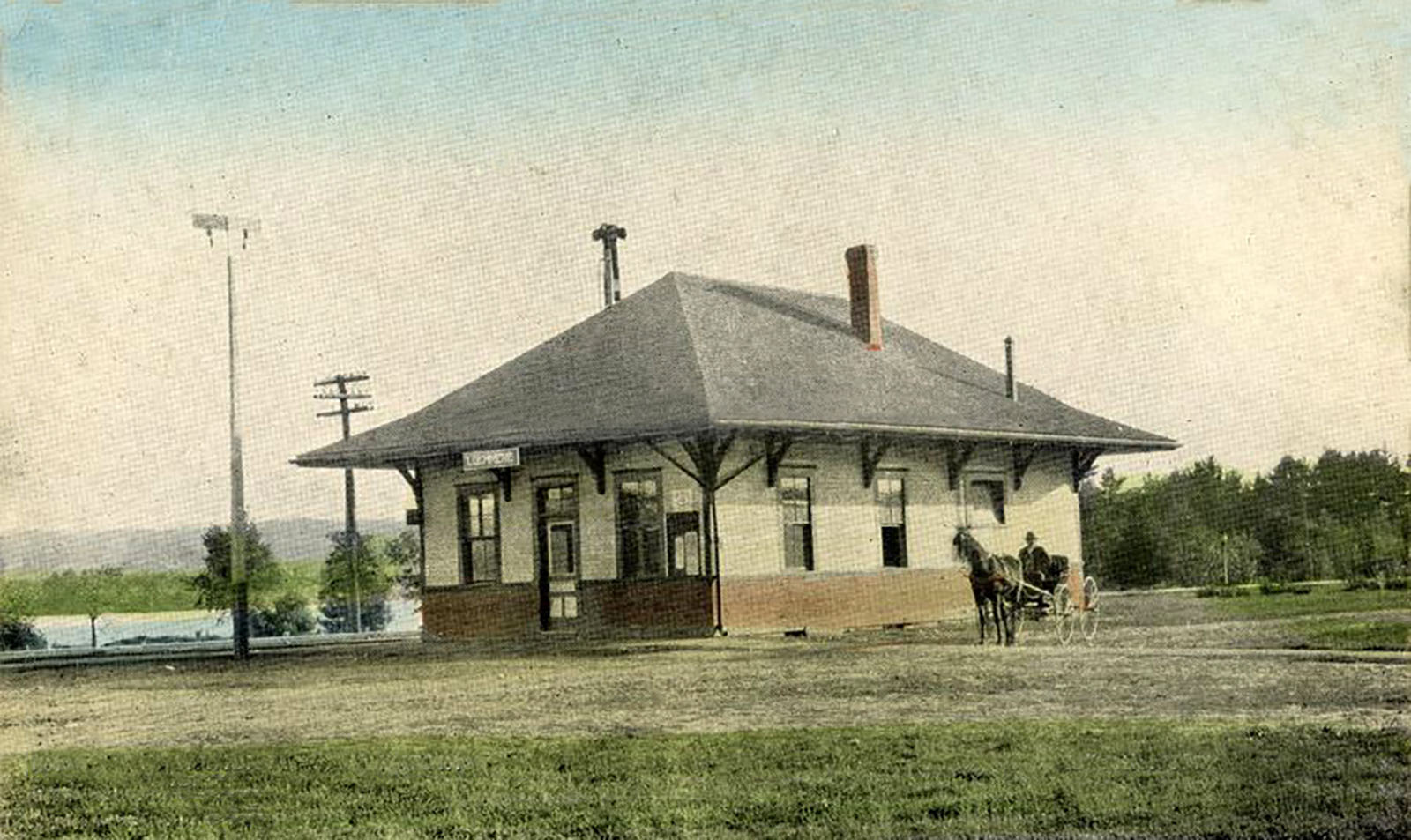
A third name for the station was the Silver Lake station.
The Belmont Junction.
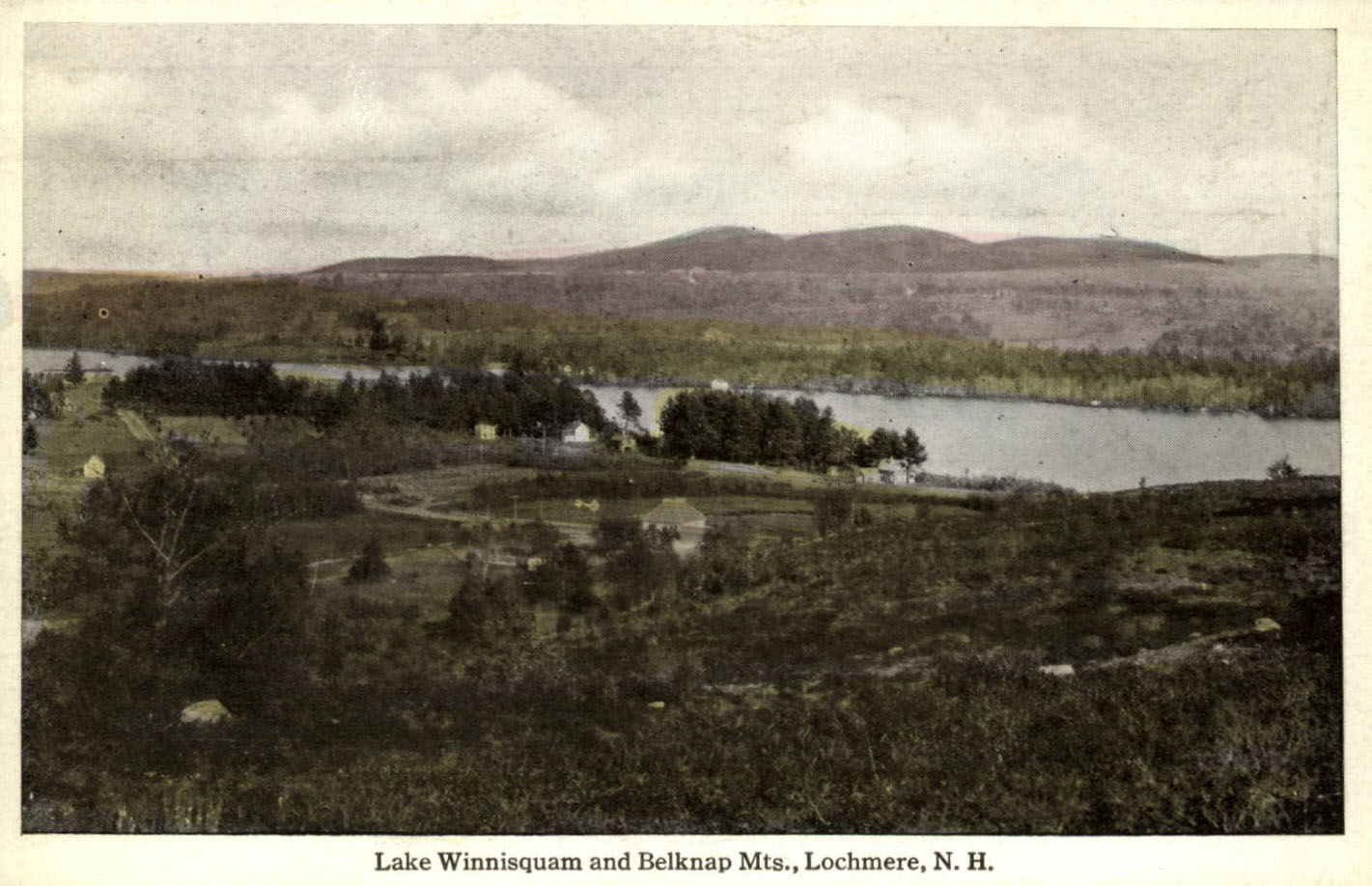
A view of Lochmere from the hillside above.
Crossing the Winnipesaukee River on a long railroad trestle, the Tilton & Belmont Branch arrived at Gardner’s Grove. Gardner’s Grove was named after major landowner Harry Gardner, and the large grove of pine trees that lined the shore of this picturesque bay of Silver Lake. It was a small summer resort around the turn of the century, when many lakeside cottages were built. The resort featured a public bandstand, as well as a few seasonal commercial establishments: bowling alley, roller-skating rink, and restaurant.
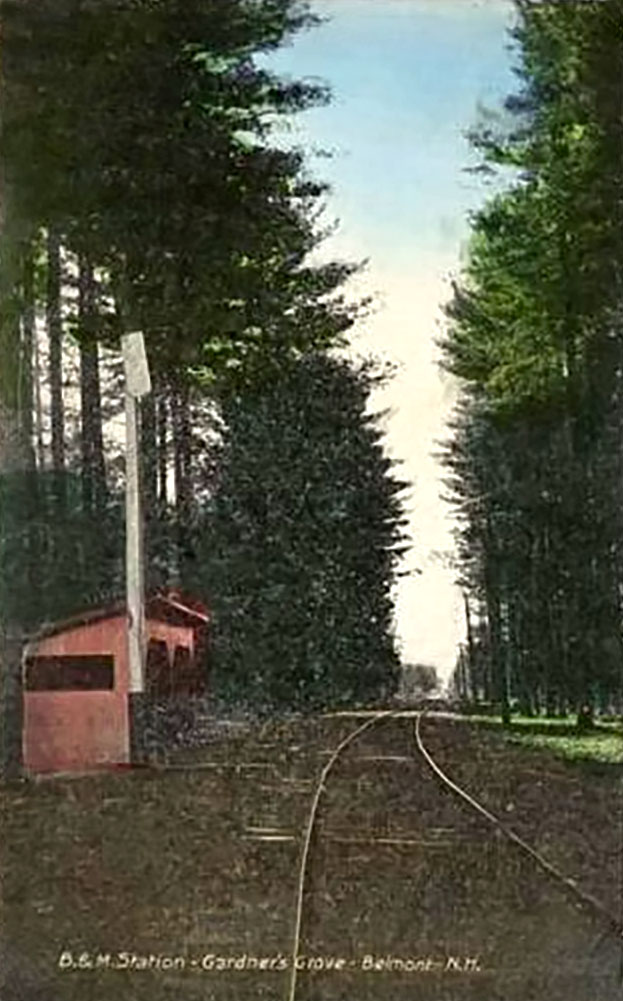
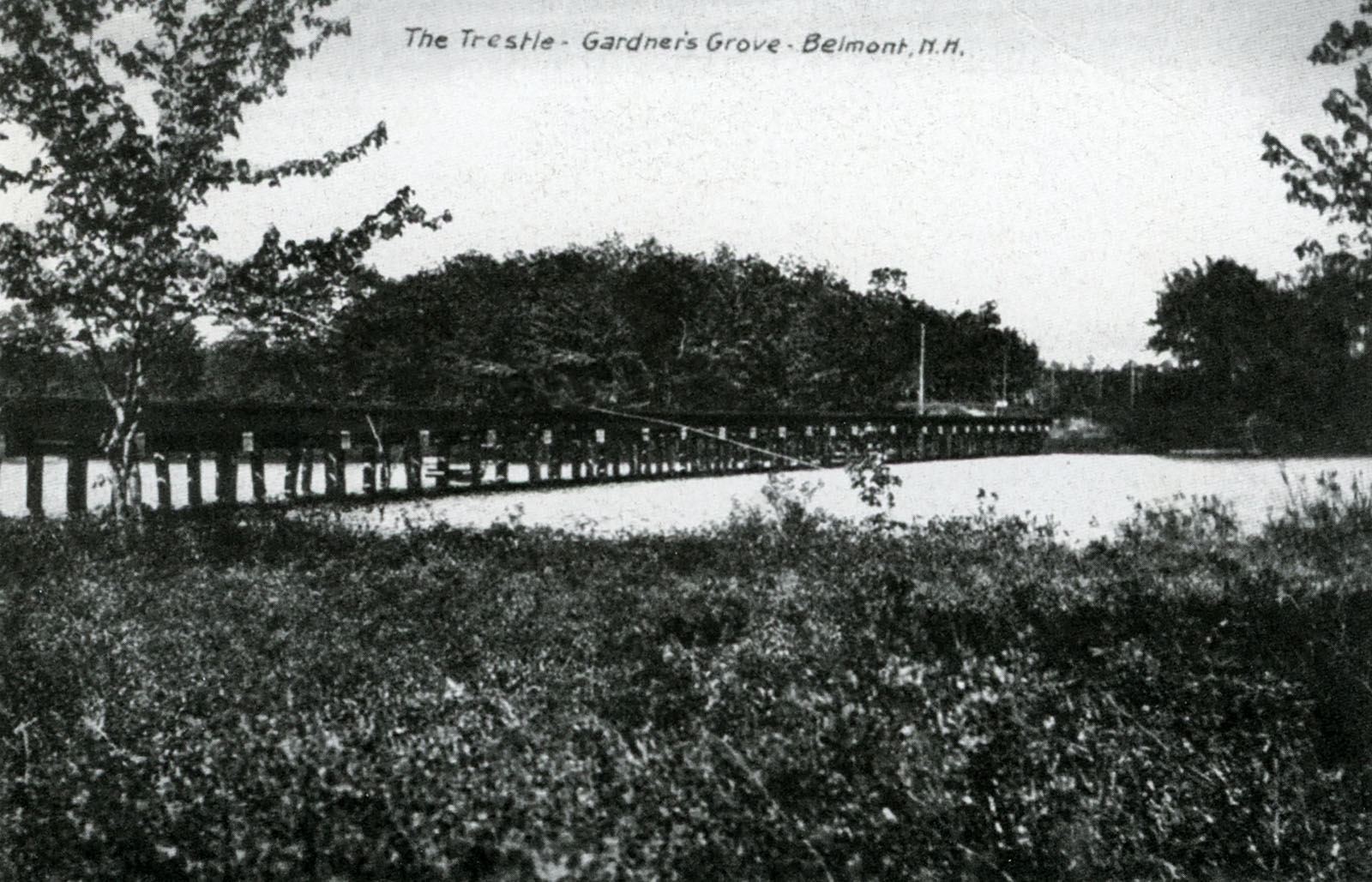
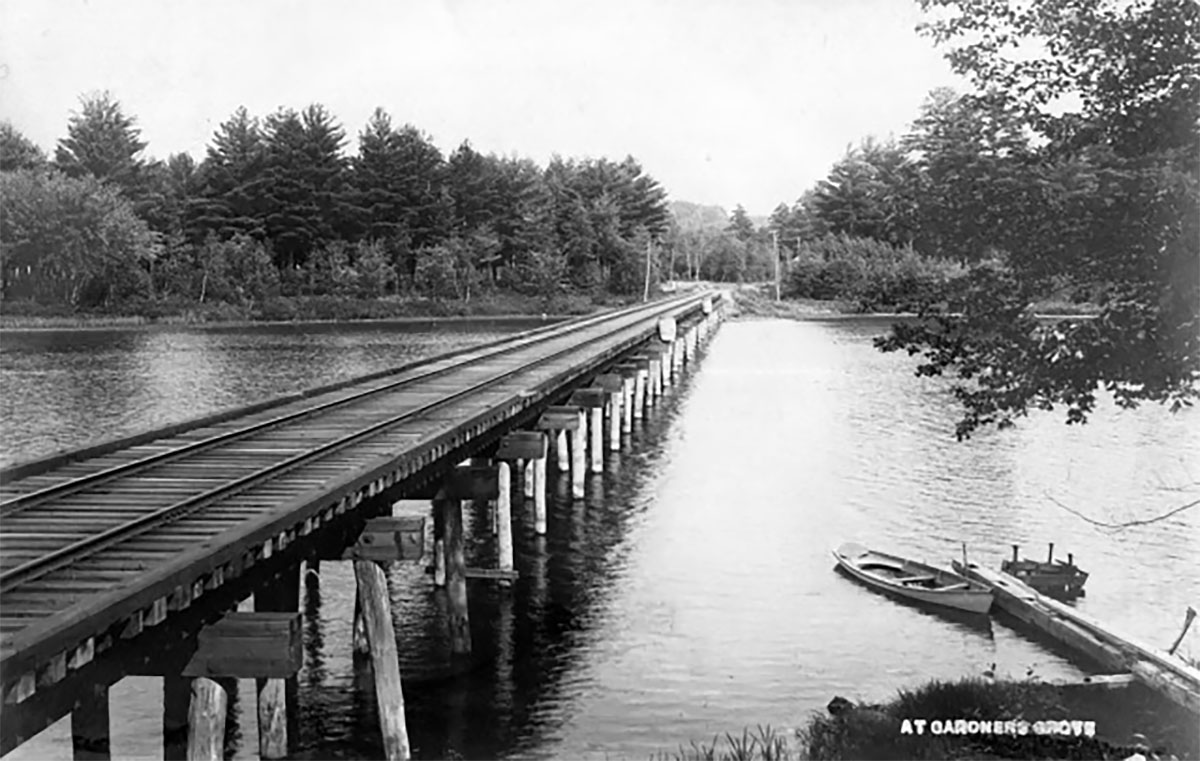
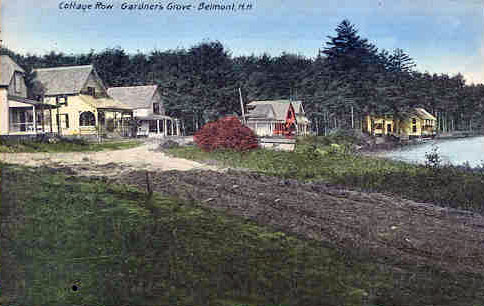
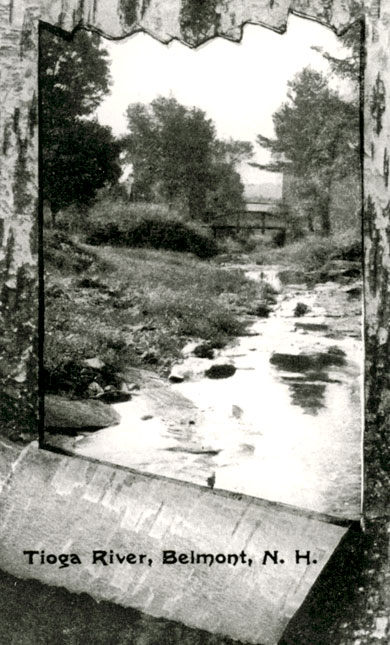
The Tioga stop was next. It was named after the Tioga River, which powered many of Belmont’s mills throughout its history.
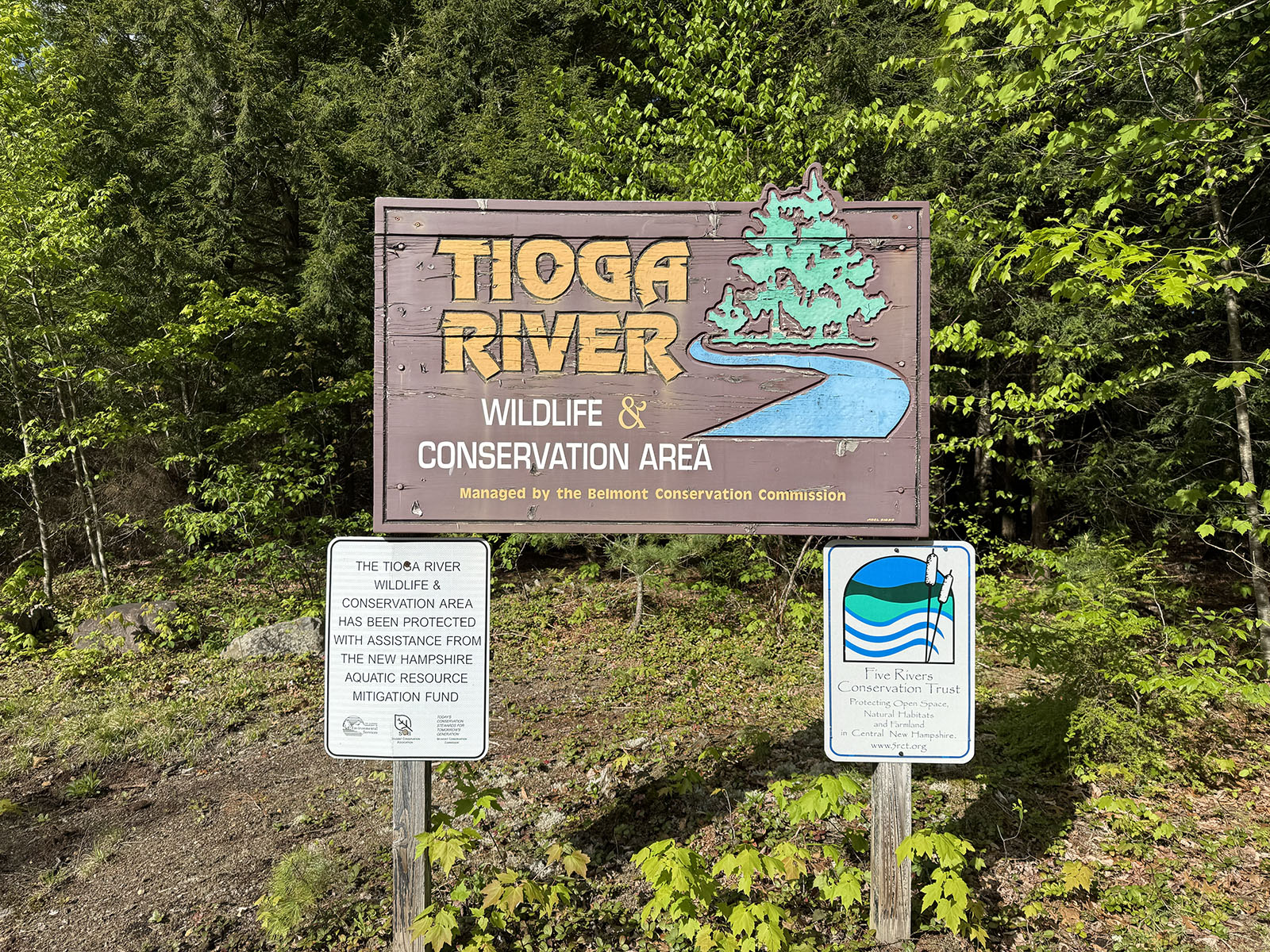
Tioga River Wildlife & Conservation Area sign. See below.
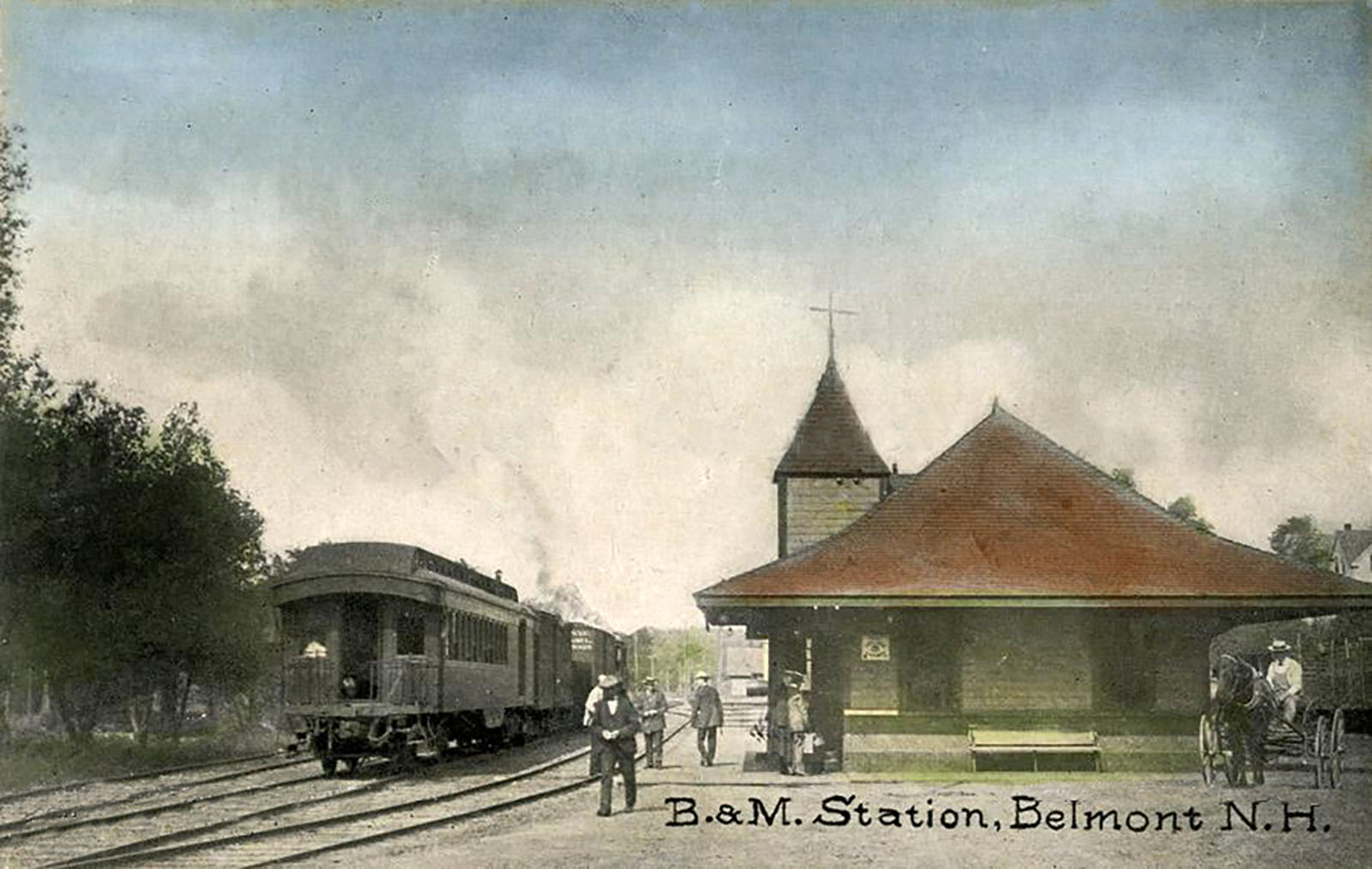
The last stop on the line was the Belmont station, adjacent to the Belmont mill. Although the line was built primarily to service the freight needs of the mill, curiously, the line ended on the opposite side of the Tioga River from the mill. The mill’s bulky finished products had to be transported by carriage up Main Street, across the 1870’s era Depot Street bridge, and back down the road leading to the station before they could be loaded onto waiting freight cars to be shipped to the mill’s customers. Commuting mill laborers were not as inconvenienced, however, as a very narrow, uncovered wooden footbridge across the Tioga connected the mill directly to the station.
The mill, and a new, wider covered wooden footbridge are there today, but the station is long gone. The terminus of the former railroad is now the starting point of the 2-mile,Village Spur Rail Trail, a very pleasant walk through forests and fields. The trail’s ending point is on South Road, the location of the former Tioga station.
Another, short section of the former railroad can be followed in the trail network at the Tioga River Wildlife & Conservation Area. There is a small parking lot off of Route 140 (Tilton Rd/Depot Street). The trail network is unmapped and unmarked. Keep to the right at every intersection from the parking lot to reach the former railroad bed.
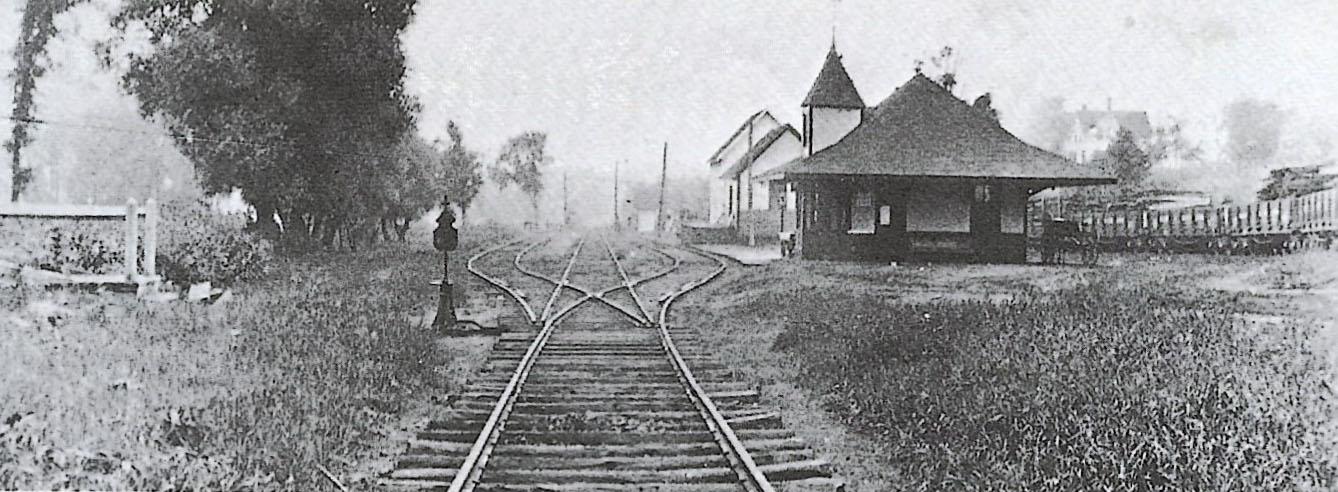
The Belmont freight depot is seen behind the passenger station in front.
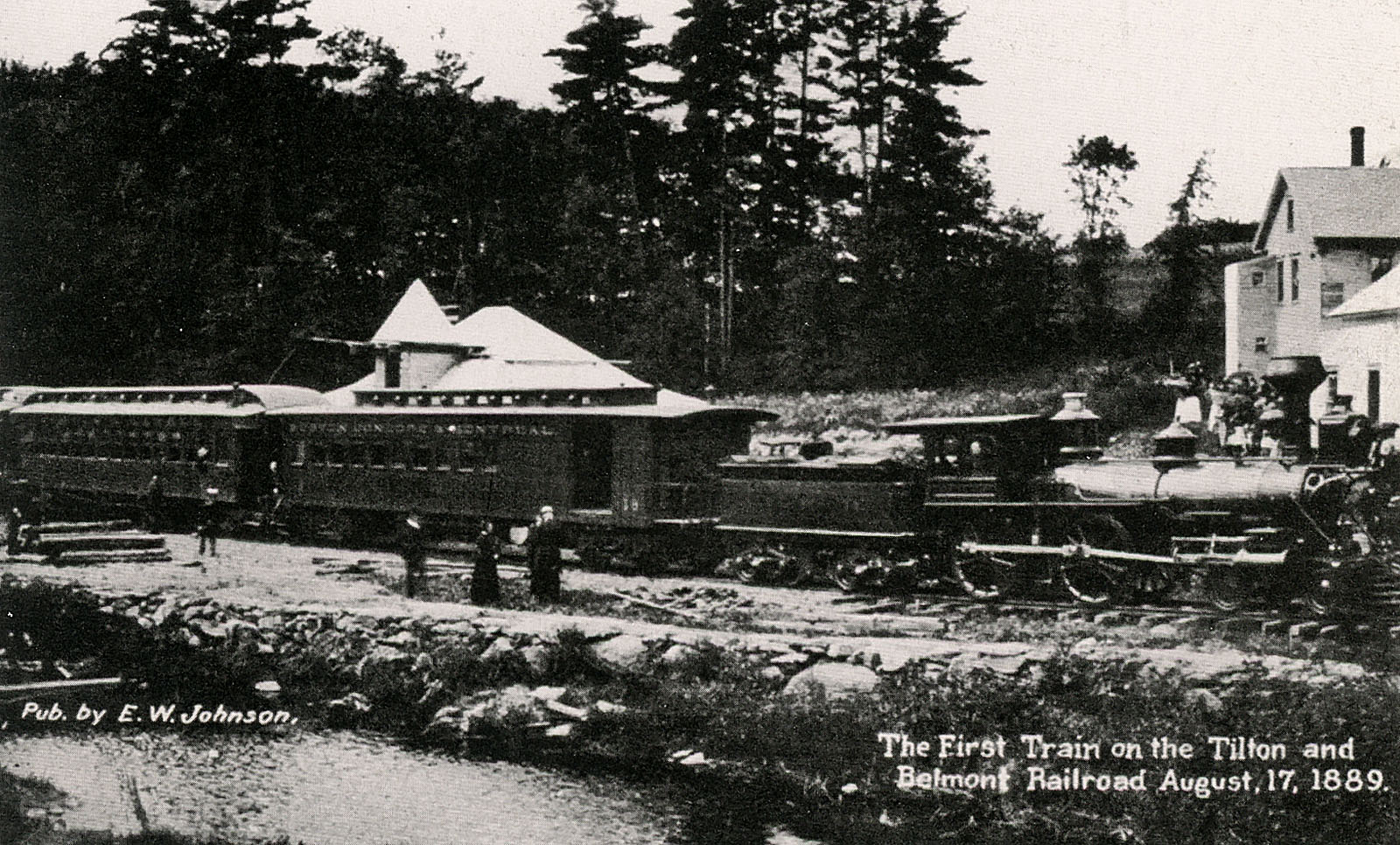
Postcard showing the “First Train on the Tilton and Belmont Railroad August 17, 1889”. When this first train arrived, loaded with railroad and political dignitaries, the largest celebration the town had ever seen occurred, with free meals for the public and cannon firings.
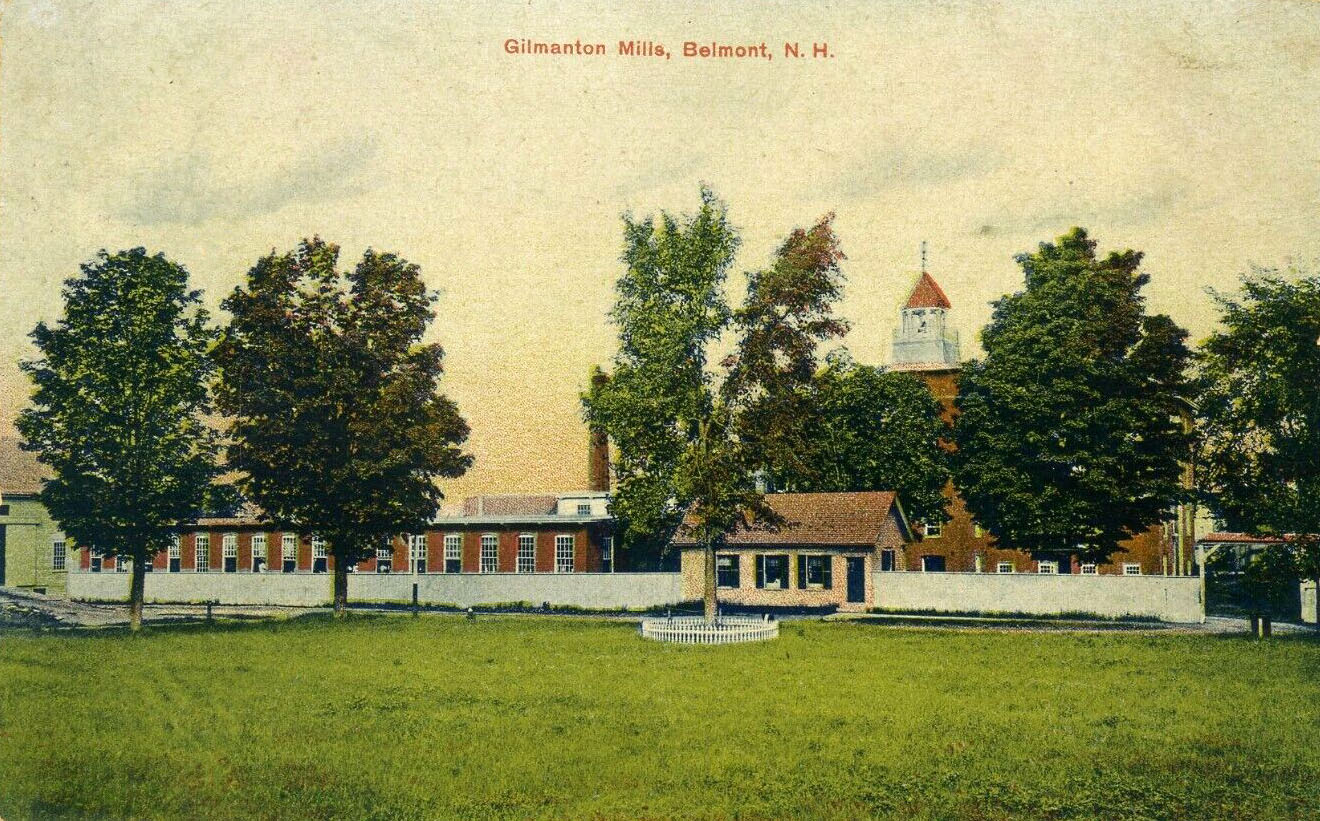
Below, a color postcard captioned “Gilmanton Mills, Belmont, N.H.” (The long, one-story outbuilding, and the small, gabled entrance building, seen in front of the mill in the color postcard, are long gone.) Why “Gilmanton”, when the mill was in Belmont? Reason: The town of Gilmanton was incorporated in 1727. The town was first divided when Gilford split off in 1812. In 1859, the town was further divided, into Gilmanton and Upper Gilmanton. On July 5, 1869, in a bout of patriotic, post-civil war fervor, the town’s name was officially changed from Upper Gilmanton to Belmont, after August Belmont. Belmont chaired the Democratic Party from 1860-1872, and fully supported the Union cause. However, Belmont’s only connection to New Hampshire was a tenuous one. He had been appointed by Franklin Pierce, the only politician ever elected President of the United States from New Hampshire, as ambassador to the Netherlands, serving from 1853-1857.
In 1832, when the town was still part of Gilmanton, NH politician William Badger and future Governor of NH (1834-1836) received a charter for the Gilmanton Village Manufacturing Company. Badger built the brick mill in 1833. The mill manufactured cotton cloth until 1865, when it converted to making hosiery. In 1870, the mill was renamed the Gilmanton Mills Company by its new owner, Amos A. Lawrence. In 1921, the mill was renamed the Belmont Hosiery Company.
The mill was powered by the Fellows Dam, located a 1/2 mile upstream on the Tioga River. The dam had been constructed in 1794 by Joseph Fellows Sr., then rebuilt 5′ higher by William Badger in 1839. A covered canal from the millpond provided the water power to the mill. In the 1890s, a penstock pipe was built to connect the waterpower of the dam directly to the mill. Water continued to power the mill until 1955, when the new owner, the Fenwick Hosiery Company, discontinued its use. The mill ceased textile manufacturing operations in 1970.
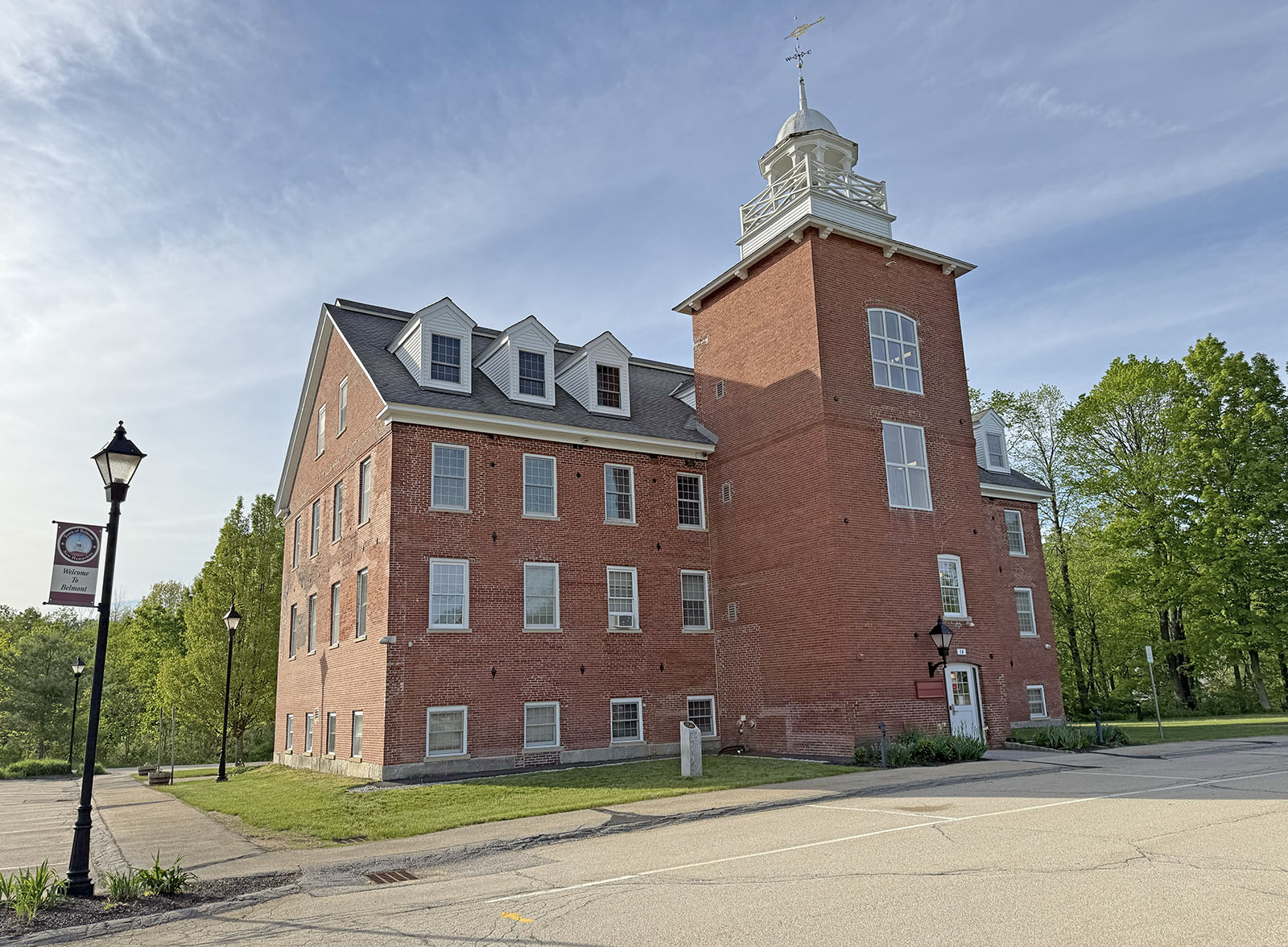
The Belmont Mill on a nice spring day, May 22, 2026. Repeated efforts have been made to move the Belmont town offices to the mill, but Belmont voters have not yet approved, due to the substantial cost to renovate the building up to modern standards. There are a few rooms in use by the town, but the mill remains mostly underutilized.
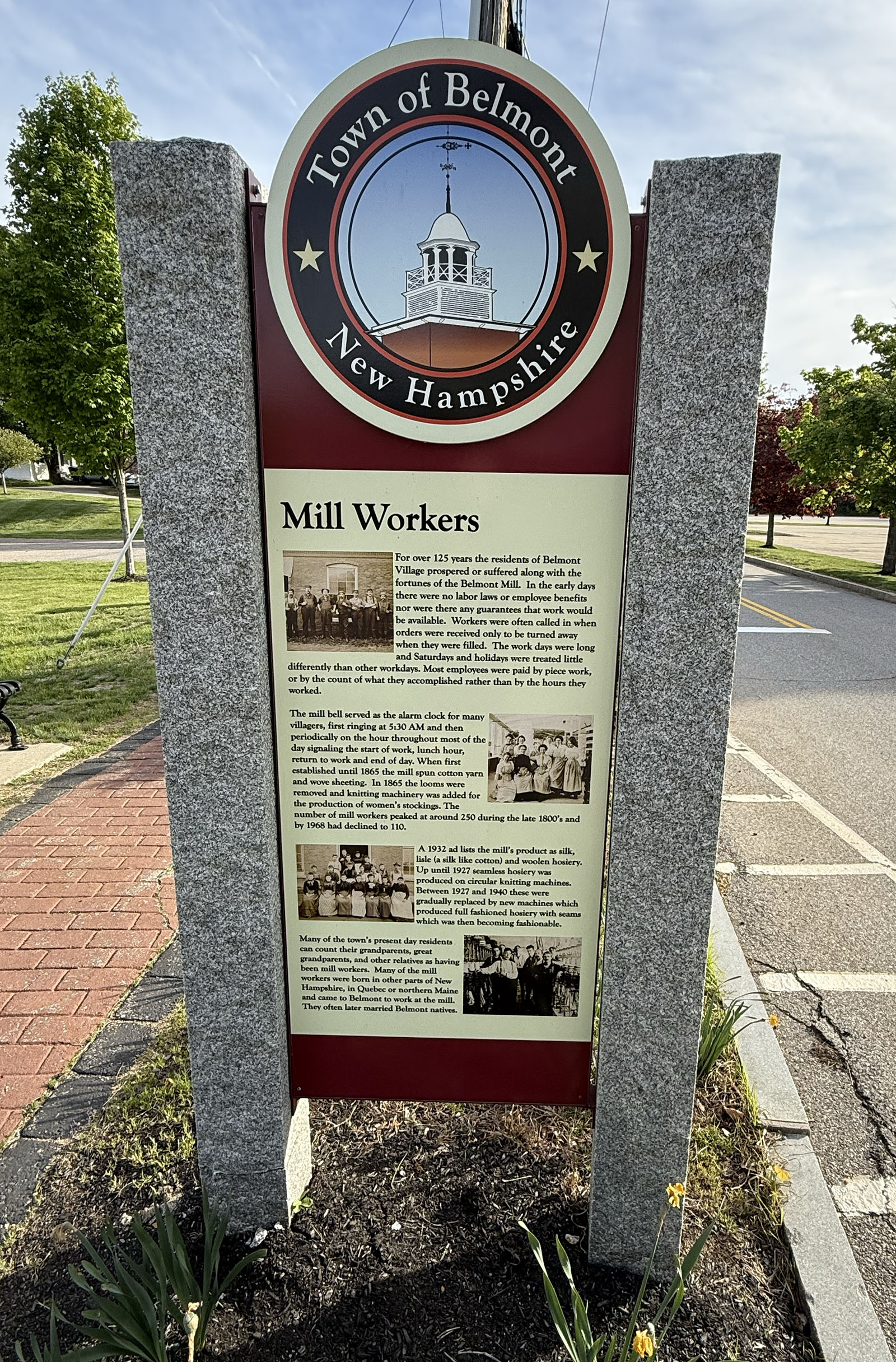
Historic marker explaining the routine of a Belmont Mill worker.